

Light Bulbs
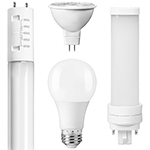
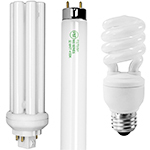
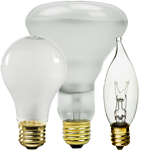
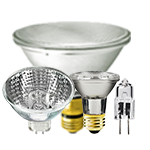
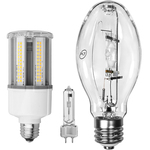
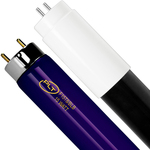
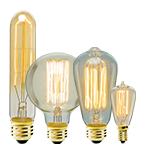
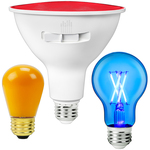
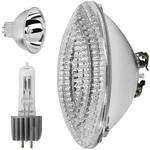
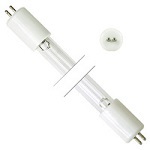
Light Bulb: Clear, Efficient Lighting for Every Space
Light bulbs are the essential source of illumination for homes, offices, and commercial settings. From everyday household use to specialized lighting tasks, the right light bulb ensures rooms have the correct brightness, tone, and energy efficiency. Many people rely on modern light bulbs for their convenience, affordability, and broad applicability across fixtures and installations.
Ambient light for a living room, focused illumination for a workspace, or outdoor lighting for porches and walkways, light bulbs offer solutions for all these needs. Available in a range of styles, including traditional incandescent, halogen, CFL, and modern LED bulbs, there are options to fit different preferences and needs.
Why Choose Light Bulbs for Your Space
Dependable illumination for nearly any fixture makes light bulbs a practical choice for homeowners, renters, and professionals alike. Their universal compatibility with most sockets allows for simple installation without modifying existing hardware. Many shoppers opt for LED light bulbs because they combine bright, consistent light with low energy use and long life. Others may choose halogen, CFL, or incandescent bulbs for their particular color quality or compatibility with older fixtures.
Key Features and Characteristics
Available in different sizes, shapes, and base types, light bulbs fit a wide variety of fixtures from table lamps to ceiling chandeliers. This versatility ensures that whether you are replacing a bulb in a standard lamp or outfitting an entire room renovation, you can find a bulb that fits without changing your fixtures. Many modern bulbs offer consistent brightness while using significantly less energy than older models. LED bulbs generate minimal heat and deliver stable light output over time, enhancing safety and reliability.
Benefits
Practical and cost-effective lighting solutions for everyday needs, that's what light bulbs deliver. Because they fit into existing fixtures, replacing bulbs is simple and often does not require tools or electrical work. This makes lighting upgrades or replacements straightforward for both homeowners and contractors. Choosing modern bulb types such as LED can result in substantial energy savings over time, reducing utility costs while maintaining consistent illumination.
Tips for Choosing the Right Light Bulb
Check the requirements of your fixture first, including the base type and maximum wattage or wattage equivalent. Choosing the correct base type, such as E26, GU10, or candelabra, ensures safe installation and proper fit. Then consider the color temperature. Warm tones often work best for bedrooms and living rooms, while cooler or daylight tones are better for kitchens, bathrooms, garages, and workspaces where clarity matters.
When replacing older incandescent or halogen bulbs pay attention to the lumen output rather than wattage to ensure you get comparable brightness with a modern bulb. For outdoor or damp locations, confirm that the bulb is rated for outdoor or wet use to maintain safety and performance.
Frequently Asked Questions
What is a light bulb?
A light bulb is a device that produces visible illumination when connected to electrical power. It comes in many types, including incandescent, halogen, CFL, and LED, each offering different brightness levels, color temperatures, and energy efficiency.
Where can light bulbs be installed?
Light bulbs can be installed in table or floor lamps, ceiling or wall fixtures, recessed cans, track lighting, bathroom vanities, outdoor fixtures, and many specialty lighting applications. Always match the bulb base and wattage to the fixture requirements.
Is it safe to use light bulbs indoors?
Yes. Most household light bulbs are designed for safe indoor use. LED bulbs are especially safe because they operate with minimal heat and maintain stable light output even when used for long periods.
How long do light bulbs last?
Lifespan varies by bulb type. LED bulbs often provide tens of thousands of hours of use, significantly longer than incandescent or halogen bulbs. This long life reduces the frequency of replacements and overall maintenance.