

Ceiling Fan Light Bulbs
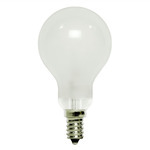
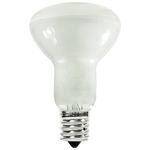
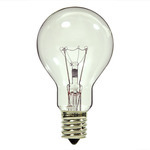
Ceiling Fan Light Bulbs: Lighting Designed for Comfort and Performance
Ceiling fan light bulbs are designed to work seamlessly with ceiling fans, providing balanced illumination without interfering with airflow or fixture performance. Whether you’re updating a living room fan, replacing bulbs in a bedroom fixture, or completing a led ceiling fan bulb replacement, choosing the right bulb helps ensure consistent light output, proper fit, and long-term reliability. These bulbs are commonly used in spaces where overhead lighting and air circulation work together to support everyday comfort.
Because ceiling fans often use enclosed or compact light kits, ceiling fan bulbs are typically smaller in size and built to manage heat efficiently. From traditional incandescent options to modern LED solutions, there are ceiling fan light bulb replacements available to match both older and newer fan designs.
Why Choose Ceiling Fan Light Bulbs?
Ceiling fan bulbs are made to meet the specific requirements of fan-mounted fixtures. Their size, shape, and base types are selected to fit securely within light kits while maintaining safe operation. Using standard household bulbs that are too large or generate excess heat can impact performance, making dedicated ceiling fan bulbs a more reliable choice.
Key Features and Characteristics
Ceiling fan light bulbs are available in a range of technologies, including incandescent, halogen, and LED. LED ceiling fan bulb replacement options are especially popular for their energy efficiency and long lifespan. Many models are also designed to be dimmable, allowing you to adjust brightness when paired with compatible switches or fan controls.
Common characteristics include compact bulb shapes, lower wattage requirements, and compatibility with enclosed fixtures. These features help maintain even light distribution while supporting safe, long-term use.
Benefits of Ceiling Fan Bulbs
Using the correct ceiling fan bulbs helps ensure consistent lighting and dependable operation. LED options, in particular, reduce energy consumption and minimize the need for frequent ceiling fan light bulb replacement. Incandescent bulbs remain a choice for those who prefer a warm, traditional glow.
Key benefits include:
- Reliable fit for fan light kits
- Balanced brightness for shared living spaces
- Energy-efficient options available
- Wide compatibility with residential ceiling fans
Tips for Choosing Ceiling Fan Light Bulbs
Start by checking your ceiling fan’s specifications, including maximum wattage, bulb size, and base type. This information ensures safe operation and proper fit. Brightness should be selected based on room size and function, with higher lumens suited for active areas and softer light preferred in bedrooms.
Color temperature also matters. Warm white bulbs create a relaxed feel, while neutral or cool white options offer a brighter, more functional look. For long-term savings, consider LED ceiling fan bulbs that are rated for enclosed fixtures and dimmable if needed.
Helpful considerations:
- Confirm bulb size and base type
- Follow fixture wattage limits
- Choose brightness based on room use
- Select LED options for efficiency and longevity
Frequently Asked Questions
What size light bulb is used in a ceiling fan?
Ceiling fans commonly use A15 or R14 bulbs with either a candelabra (E12) or intermediate (E17) base. Always check your fixture’s socket type before purchasing.
Can LED bulbs be used in ceiling fans?
Yes, LED ceiling fan bulbs are widely used and offer excellent energy efficiency and long lifespan. Make sure the LED bulb is rated for enclosed fixtures if your fan has a covered light kit.
How often do ceiling fan light bulbs need to be replaced?
Replacement frequency depends on bulb type and usage. Incandescent bulbs may need replacing more often, while LED ceiling fan bulb replacements can last for many years under normal use.
Are ceiling fan bulbs dimmable?
Many ceiling fan bulbs are dimmable, but compatibility depends on both the bulb and the fan’s control system. Always verify dimmer compatibility before installation.