

LED Dimmer Switches
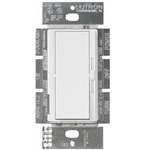
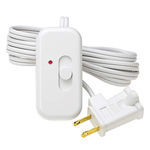
LED dimmer switch: Clear, Efficient Lighting for Every Space
LED dimmer switches give you more control over your lighting by adjusting brightness to match the mood or task at hand. Instead of relying on a fixed level of illumination, these switches allow you to set the perfect ambiance for living rooms, dining areas, bedrooms, and workspaces. Homeowners and professionals rely on dimmer switches to create lighting that feels comfortable, efficient, and tailored to each room’s needs.
Why Choose an LED Dimmer Switch?
LED dimmer switches provide smooth, reliable control over brightness, which is especially important for energy-efficient LED fixtures. Shoppers choose them to fine-tune the atmosphere, reduce glare, and enhance visibility in both residential and commercial settings.
They are easy to install, intuitive to use, and available in many designs that blend with modern décor. From restaurants and retail spaces to homes and offices, dimmer switches offer a practical way to balance comfort, efficiency, and style.
Key Features and Characteristics
LED dimmer switches are built for flexibility. They work with a variety of LED bulbs and fixtures, giving you the freedom to adjust brightness across rooms or zones. Many models offer preset levels, smooth sliding action, or smart control features, depending on what best suits your space.
Most LED dimmers support color and brightness variation when paired with compatible RGB or RGBW LEDs. Some include mounting options that simplify installation, and many maintain high energy efficiency even at lower light levels.
Key features include:
- Smooth, flicker-free dimming for compatible LEDs
- Options for single-pole or three-way wiring
- Smart or manual dimming styles
- Indoor and outdoor-rated choices
These switches are designed to keep energy use low and maintain safe performance, whether installed in a living room, hallway, or protected outdoor area.
Benefits
An LED dimmer switch lets you personalize lighting while saving energy. Lower light levels reduce electricity consumption, which can help lower utility bills and support long-term fixture performance. Many users appreciate how dimming helps create the right atmosphere for both tasks and relaxation.
A few practical benefits include:
- Extended fixture lifespan
- Reduced glare and eye strain
- Better control over mood and functionality
Tips for Choosing an LED Dimmer Switch
When selecting an LED dimmer switch, voltage is one of the first things to check. Most household dimmers are designed for standard line voltage, but low-voltage systems may require a compatible driver or transformer. Matching the dimmer to your LED bulbs or fixtures ensures smooth performance without flicker.
FAQ
What is an LED dimmer switch?
An LED dimmer switch is a device that adjusts the brightness of compatible LED bulbs or fixtures. It controls how much power reaches the light, allowing you to create a softer or brighter environment. The right dimmer ensures smooth, flicker-free performance with modern LEDs.
Where can an LED dimmer switch be installed?
LED dimmer switches can be installed in most indoor spaces, including living rooms, kitchens, bedrooms, offices, and hallways. They work well anywhere you want adjustable lighting. Some models can also be used outdoors if installed within a proper weather-rated box.
Can LED dimmer switches be used with all LED bulbs?
Not all LED bulbs are dimmable, so it’s important to check compatibility. Using a non-dimmable bulb with a dimmer can lead to flickering or reduced lifespan. Always confirm that both the bulb and switch are designed to work together.
Do LED dimmer switches require a power supply?
Most line-voltage LED dimmer switches do not need a separate power supply, but low-voltage lighting systems may require a driver or transformer. This depends on your fixture type and overall setup. Checking product specifications helps avoid issues during installation.
How difficult is installation?
Installation is usually straightforward for those familiar with basic wiring. Single-pole and three-way options follow standard electrical layouts. If you're unsure or upgrading a complex system, a licensed electrician can help ensure proper installation.