

Light Sockets and Accessories
-
Phenolic
-
Porcelain
-
Socket Adapters
Reducers and Enlargers -
Socket Extensions
-
Halogen Sockets
MR16, Candelabra, Bayonet -
Compact Fluorescent
2-Pin and 4-Pin -
Paper Shell Sockets
-
GU24 Twist & Lock
Sockets and Adapters -
HID Sockets
Metal Halide and HPS -
Temporary Sockets
Medium Base -
Stage and Studio
-
Brass Light Sockets
Medium Base -
Solid Brass Sockets
Medium Base -
Nickel Sockets
Medium Base -
Nickel Pendant Sockets
Medium Base -
Brass Pendant Sockets
Medium Base -
Metal Shell Sockets
Medium Base
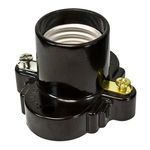
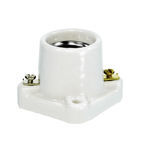
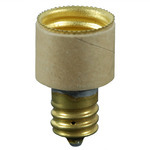
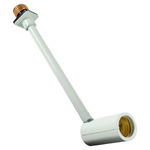
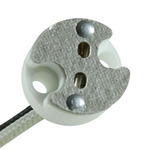
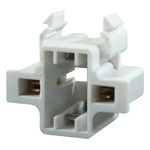
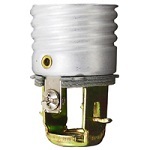
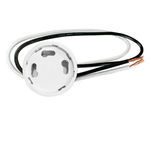
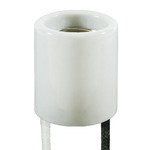
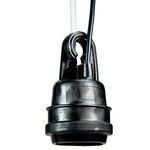
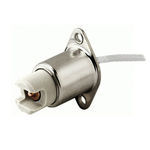
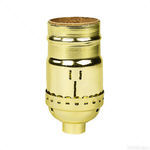
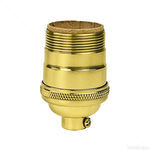
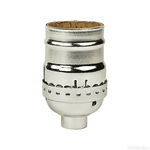
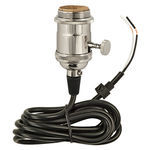
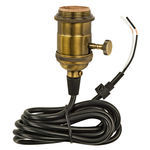
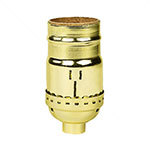
Light Sockets
Light sockets provide the dependable connection that allows bulbs to power on safely and consistently. These fixtures serve as the foundation of any lighting setup, whether you’re updating a single room or outfitting a full commercial space. From simple lamp bases to durable industrial fittings, light sockets give you the flexibility to install the right bulb for your needs.
Why Choose Light Sockets for Your Space?
Light sockets are designed to provide a secure and reliable connection for nearly any type of bulb. Shoppers choose them because they make installation simple and offer broad compatibility with LED, incandescent bulbs, and specialty lamps. They support a variety of residential and commercial projects, providing a safe way to bring lighting to hallways, kitchens, workshops, warehouses, and outdoor areas.
Key Features and Characteristics
Light sockets come in many configurations, making it easy to find the right fit for your project. From standard medium-base sockets to waterproof outdoor versions, they provide reliable support for a wide range of lamps, installation methods, and materials. Many models are built with porcelain or thermoplastic components that handle heat well and maintain strong electrical contact.
Key features include:
- Compatibility with common bulb bases (E26, E12, GU24, and more)
- Options for keyless, pull-chain, or turn-knob operation
- Indoor and outdoor variants for safety and durability
- Multiple mounting styles, including clip-in, screw-in, and bracketed designs
These choices help you match the socket to your fixture, brightness requirements, and placement goals.
Tips for Choosing the Right Lighting Socket
Start by identifying the bulb base and voltage your fixture requires. Matching these ensures proper compatibility and prevents performance issues. If the socket will be exposed to heat or moisture, look for materials like porcelain or weather-resistant plastics that offer added protection.
Placement can also influence your choice. Hanging fixtures, lamp repairs, and outdoor installations may all need different mounting styles or operational features such as pull chains or switches. A few considerations include:
- Bulb base type and wattage rating
- Indoor vs outdoor safety rating
- Whether your fixture needs a switch or keyless design
- Mounting method required for your setup
Taking the time to match these details ensures a smooth installation and reliable performance.
FAQ
What is a light socket?
A light socket is the component that holds a bulb in place and provides the electrical connection needed to power it. It ensures the bulb stays secure and can operate safely. Different socket types support various bulb shapes and sizes.
Where can light sockets be installed?
Light sockets can be used in ceiling fixtures, table lamps, wall sconces, pendant lights, and outdoor fixtures. They are also found in commercial and industrial environments such as workshops and warehouses. As long as the socket is rated appropriately, it can be installed in most lighting applications.
Are light sockets safe for indoor use?
Yes, light sockets are designed for safe indoor use when paired with the correct bulb type and wattage. Always check the rating of both the socket and the fixture. Using the proper materials ensures long-term safety and performance.
How long does a light socket last?
Most light sockets are built to last for many years, especially those made from heavy-duty thermoplastic or porcelain. Their lifespan depends on usage, heat exposure, and environment. Replacing a socket is usually necessary only when there is corrosion, a loose connection, or visible damage.
How difficult is it to install a light socket?
Most light sockets are straightforward to install if you are comfortable working with basic wiring. The process typically involves connecting two wires and securing the socket to the fixture. If you’re unsure or working with an older fixture, consulting a licensed electrician is a good idea.